According to the FDA-approved prescribing information, gastrointestinal adverse reactions (nausea, vomiting, diarrhea) occur in up to 43% of patients taking Mounjaro and 37% of patients taking Zepbound, with higher rates during dose escalation phases
Surg Clin North Am

Paul Area Jitendra Barmecha, MD, MPH, MACP, SFHM Jitendra Barmecha, MD, MPH, MACP, SFHM SBH Health System 8K followersBronx, NY greg matzke greg matzke Dean Health System 2K followersMadison, WI Ronald Healy MD, MS Ronald Healy MD, MS ALASKA FAMILY MEDICINE RESIDENCY 2K followersAnchorage, AK Naveen Raja Naveen Raja UCR Health, UC Riverside School of Medicine 3K followersLos Angeles Metropolitan Area Adrienne Boissy Adrienne Boissy Case Western Reserve University 21K followersCleveland, OH Mark Froimson MD, MBA Mark Froimson MD, MBA Lazurite 11K followersGreater Cleveland Alan Weiss, MD, MBA, FACP Alan Weiss, MD, MBA, FACP Banner Health 11K followersTampa, FL Ralph Downey III PhD, DABSM, FAASM Ralph Downey III PhD, DABSM, FAASM Cleveland Clinic 3K followersGreater Cleveland Robert Wyllie Robert Wyllie Case Western Reserve University 1K followersCleveland, OH Jonathan Velez, MD Jonathan Velez, MD American Heart Association 4K followersLouisville, KY Jonathan McGowens Jonathan McGowens New Albion Capital 3K followersLos Angeles Metropolitan Area Mika Hill, BSN, RN Mika Hill, BSN, RN Empath Health 2K followersClearwater, FL Lynn Barr, MPH Lynn Barr, MPH UC Berkeley School of Public Health 8K followersSan Francisco, CA Explore more posts BUZZI.AI 11 followers Many AI for patient care programs stall for a simple reason: they deliver insights out-of-band, not actions in workflow
not approved Tirzepatide (Zepbound) Approved (Zepbound, Mounjaro) Semaglutide alone (Wegovy) Approved (Wegovy, Ozempic) Cagrilintide alone Investigational Feature Head-to-head data CagriSema Did not meet non-inferiority vs tirzepatide at 84 wks (Reuters Feb 2026) Tirzepatide (Zepbound) Semaglutide alone (Wegovy) Cagrilintide alone These compounds are not interchangeable
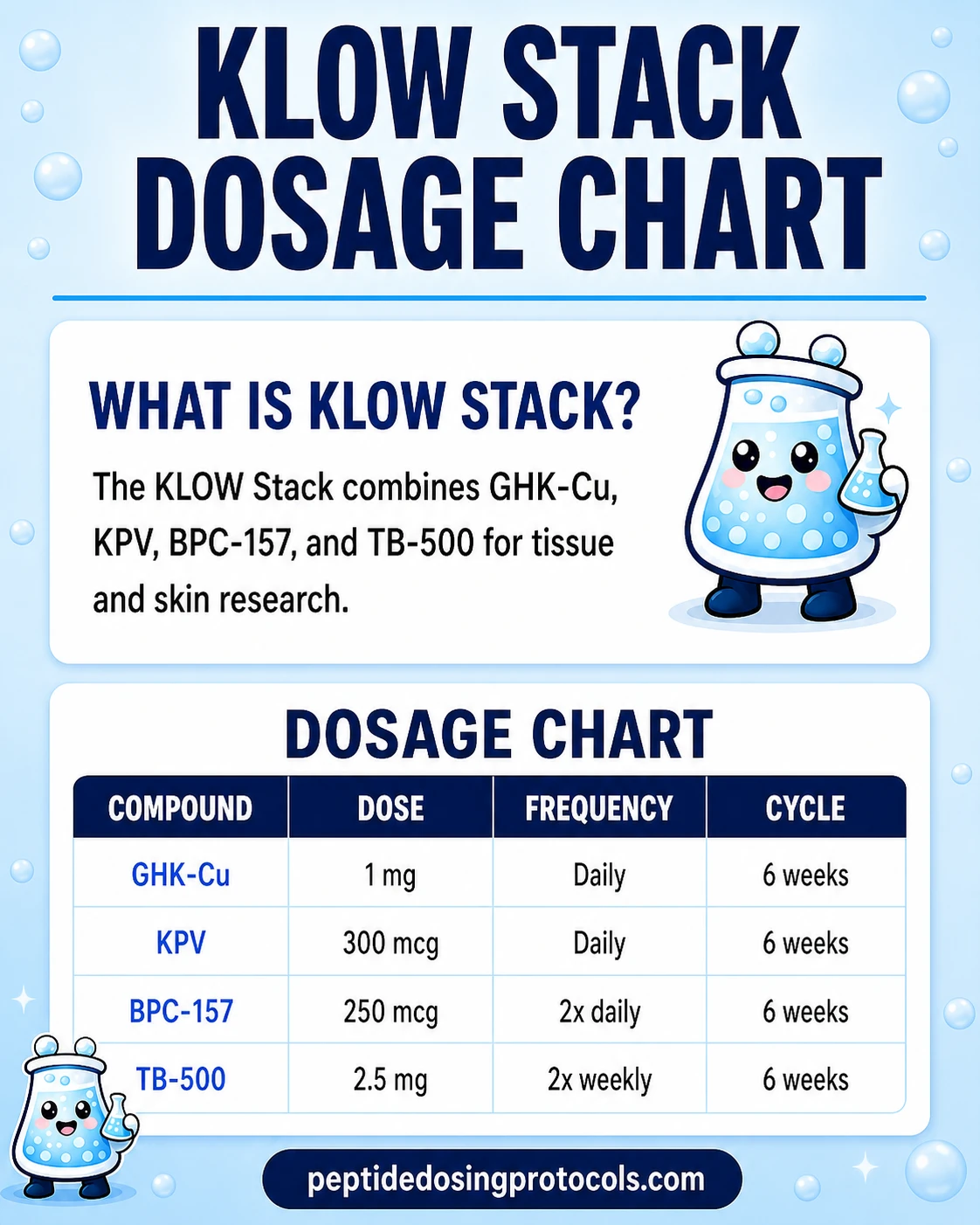
Studies published in Wound Repair and Regeneration have shown that GHK-Cu treatment of keloid fibroblasts increases MMP-2 activity by 30-50%, promoting degradation of excessive collagen deposits