(2010) Dimethylarginines: their vascular and metabolic roles in Africans and Caucasians
An important advantage of this therapy is that it does not significantly increase hormones such as cortisol or prolactin, which are often associated with unwanted side effects
Targeted biologic therapies under evaluation for SLE include anifrolumab, belimumab (intravenous and subcutaneous formulations were registered by FDA for use in SLE in 2017) and off-label rituximab, abatacept, tocilizumab, obintuzumab, and eculizumab.[3] The novel biologic therapy, telitacicept, is currently under investigation
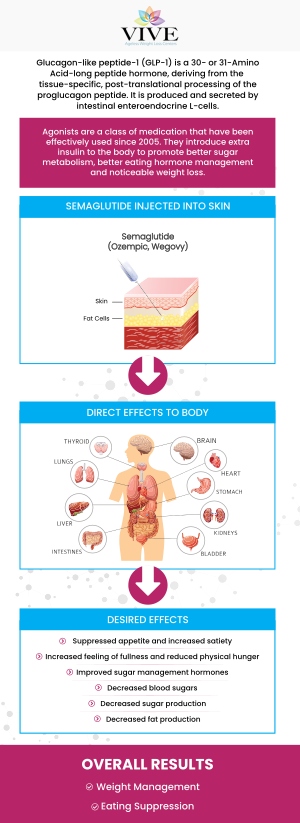
GLP-1 has been shown to decrease calorie intake in animal models by intracerebroventricular and hypothalamic paraventricular nucleus (PVN) administration.34 An infusion of OXM to normal-weight human subjects produced a reduction in calorie intake of 19.3%, whereas a recent meta-analysis which studied the effect of GLP-1 infusion demonstrated an average reduction in calorie intake of 11.7%
Pancreatitis: A concern though definitive links are under scrutiny