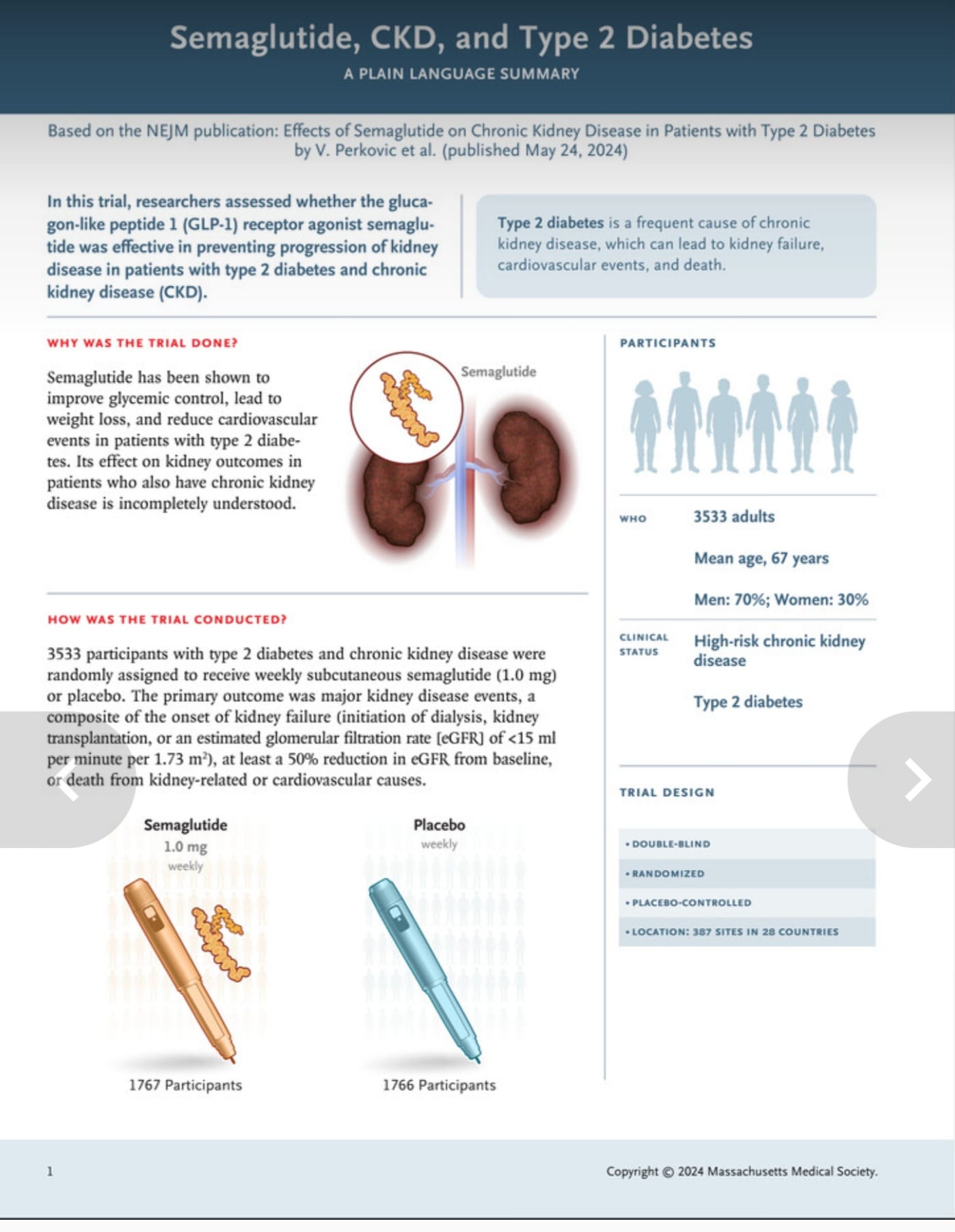
Introduction Glucagon-like peptide-1 (GLP-1) is released from intestinal L-cells in response to nutrient ingestion and is a key incretin hormone, not only potentiating glucose-dependent insulin release but contributing to glucose homeostasis by enhancing insulin biosynthesis, suppressing glucagon secretion, stimulating -cell mass and suppressing appetite [1][3]
Its mechanism of action revolves around mimicking the natural growth hormone-releasing hormone (GHRH) found in the body
In conclusion, the degradation of killed bacteria contributes more efficiently to improving cell viability under nutrient-deprived conditions than live bacteria, stimulating pathways such as glutathione (GSH) biosynthesis, compared to live bacteria [56]
For the first time, the scale of the problem is becoming visible but for millions of patients already in the dentists chair with crumbling enamel and chronic bad breath, the warning may be coming too late
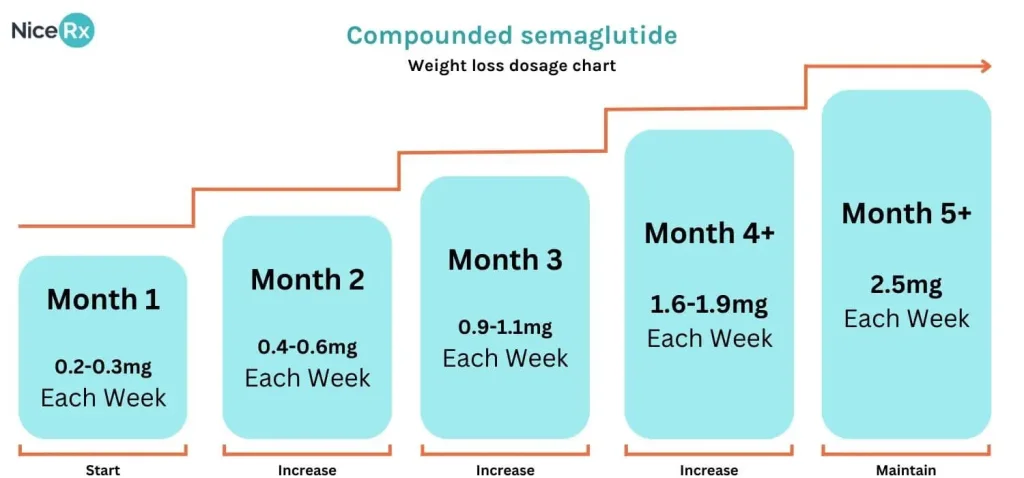
Decrease the amount you take every other week