Real-world adherence varies, so the trade-offs are worth discussing with a healthcare provider
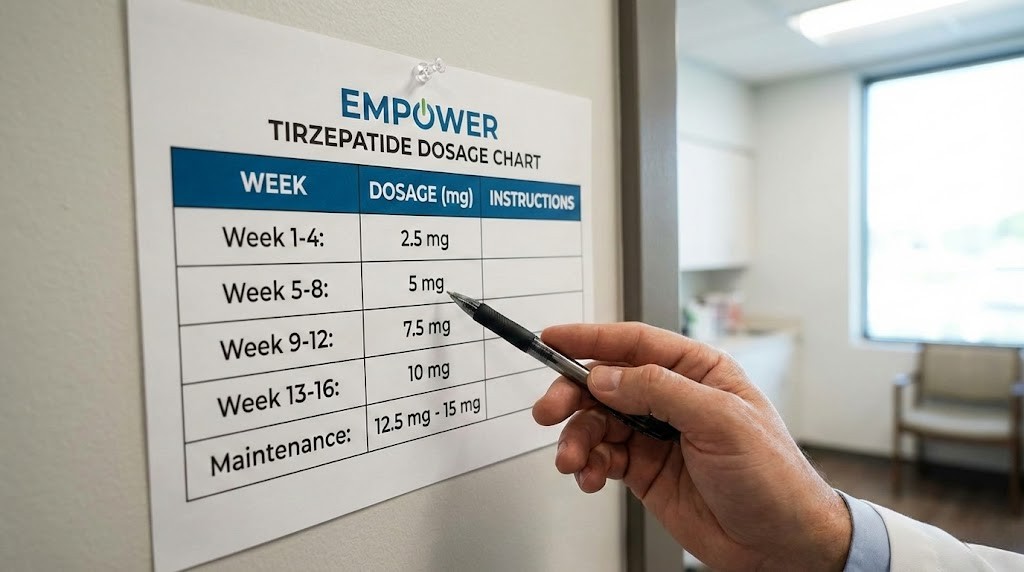
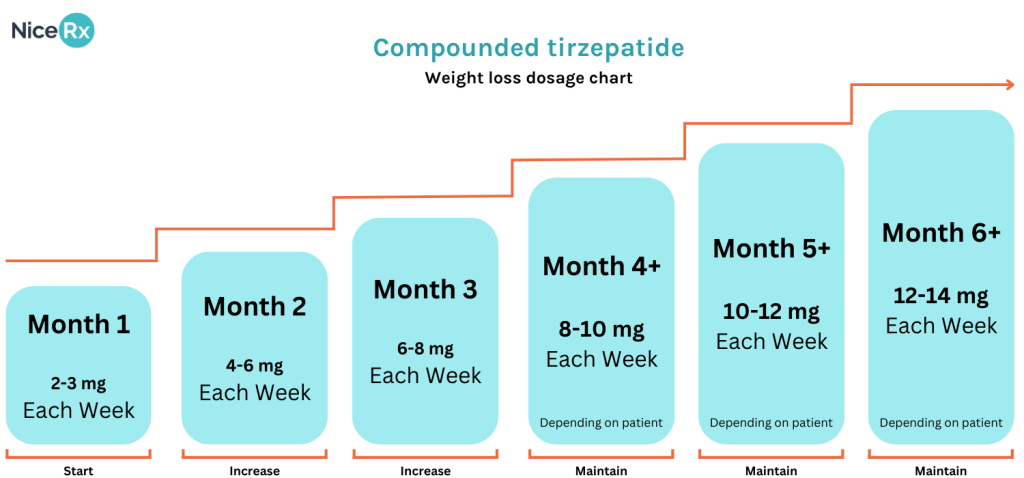
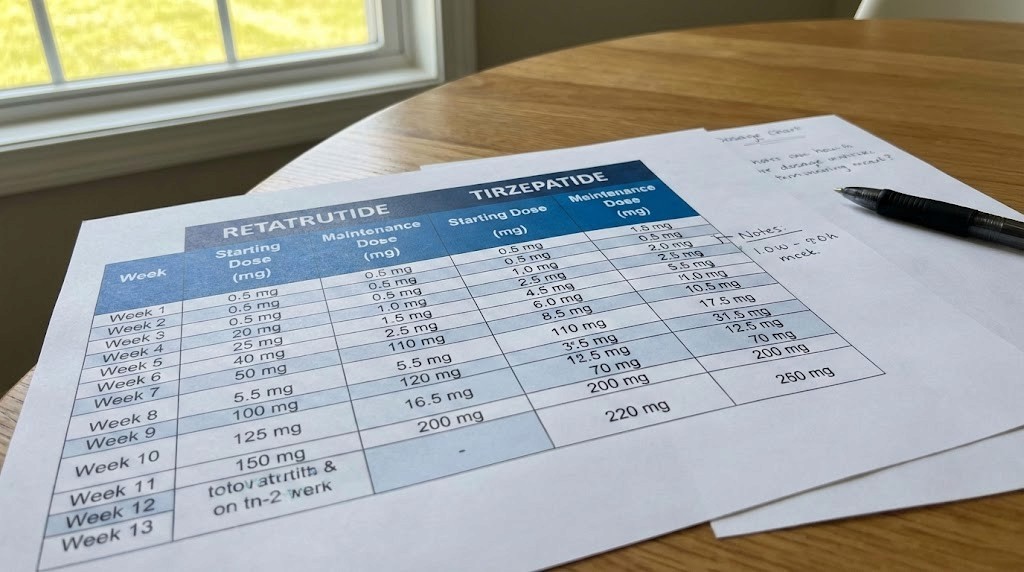
Seek emergency care if: you experience severe abdominal pain radiating to your back (possible pancreatitis), persistent vomiting that prevents hydration for more than 24 hours, signs of severe dehydration (fainting, confusion, dark concentrated urine), or if you suspect you administered five or more times your intended dose
The tripeptide L-glutathione (GSH) (gamma-glutamyl-cysteinyl-glycine) is well known in biological and medical studies to serve several essential functions in the cells of higher organisms such as mammals
Lifestyle modifications should be the first-line approach and include: Eating smaller, more frequent meals rather than large portions that overwhelm the already-slowed digestive system Avoiding eating within 2-3 hours of bedtime to allow adequate time for gastric emptying before lying down Elevating the head of the bed by 6-8 inches using blocks or a wedge pillow to reduce nocturnal reflux Identifying and avoiding trigger foods such as caffeine, alcohol, chocolate, spicy foods, citrus, and high-fat meals Maintaining an upright posture for at least 2-3 hours after meals Wearing loose-fitting clothing that doesn't compress the abdomen Pharmacological management may be appropriate for patients with persistent symptoms despite lifestyle modifications
The exact number doesnt change the approach, lift, eat enough protein, sleep, but if you want data, the tools available have real limitations

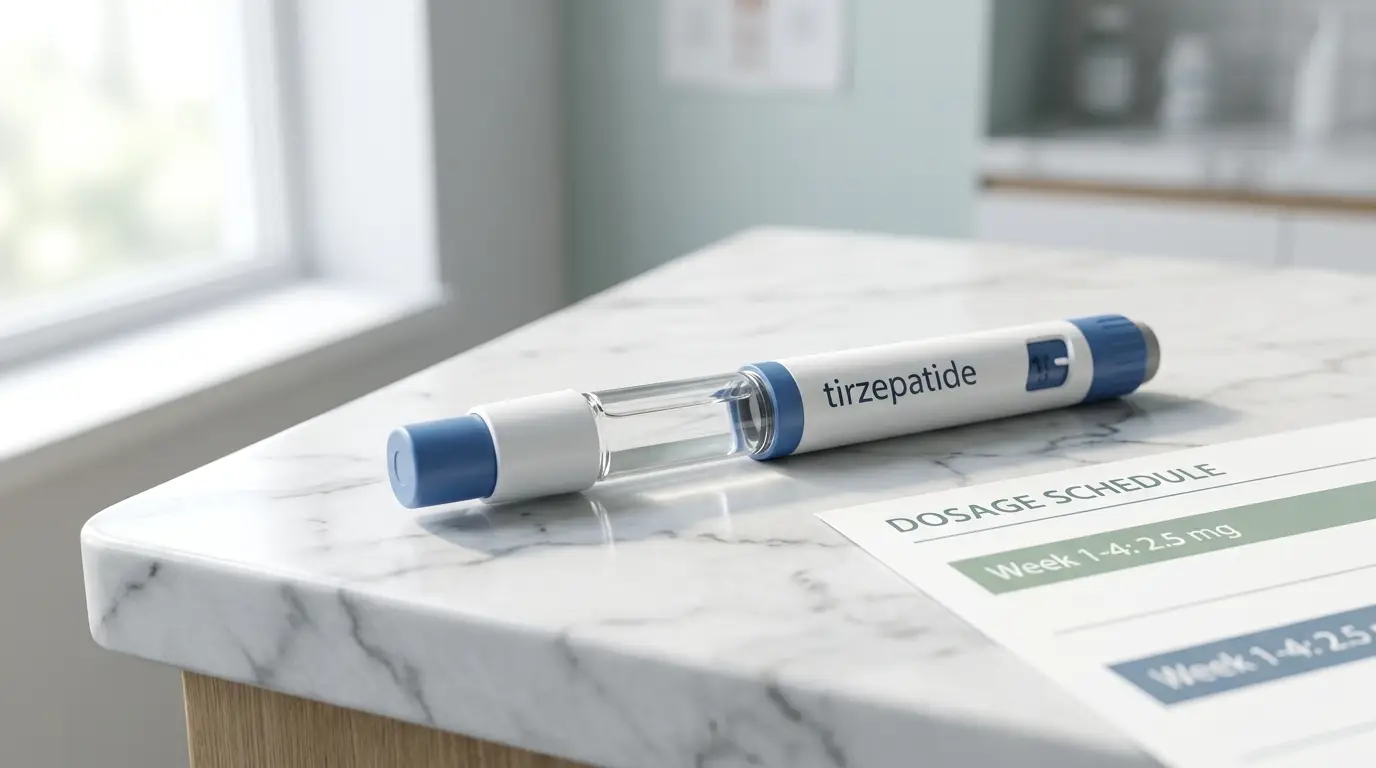
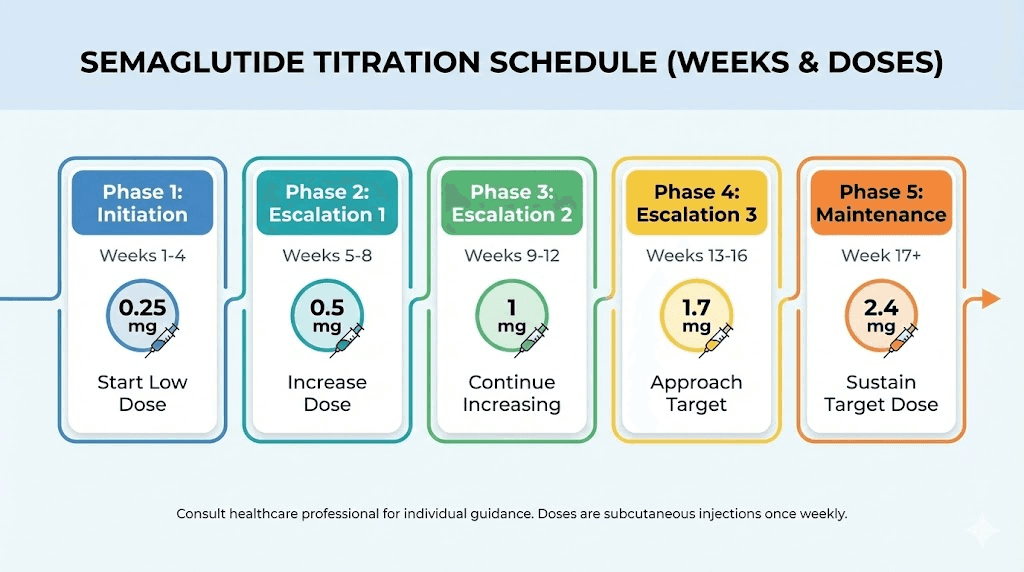
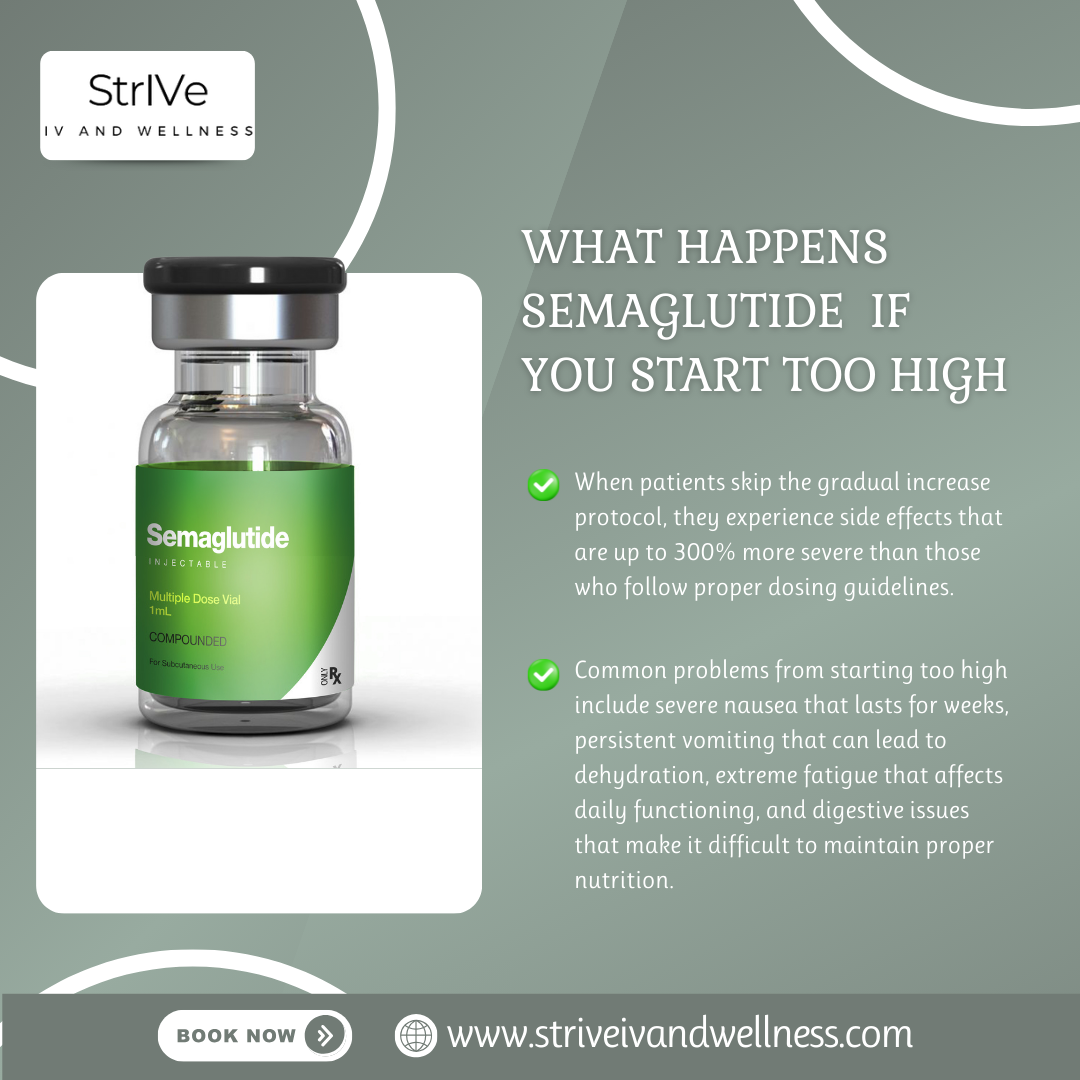
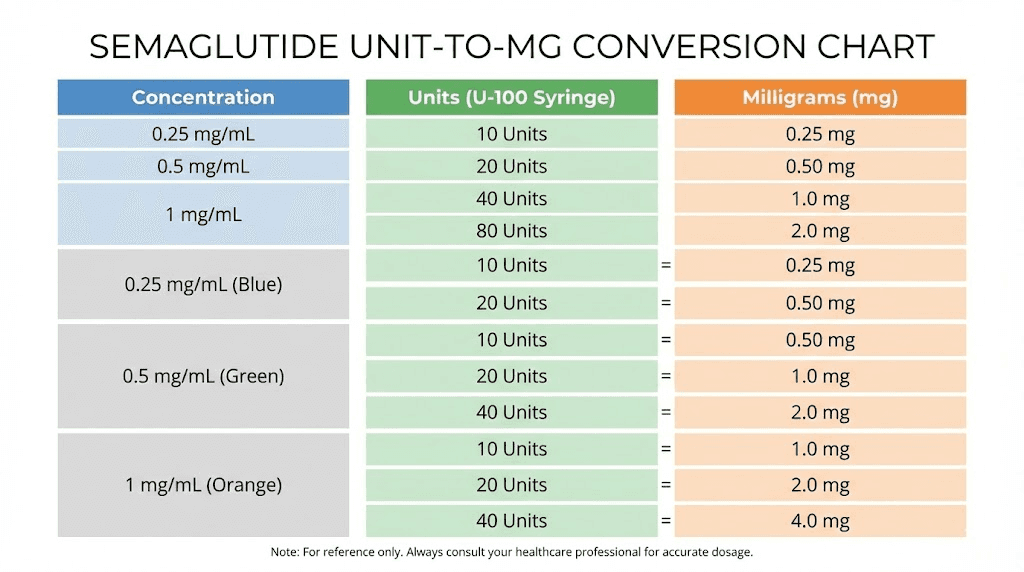
.png.jpg)








![[Pre-owned] COMME des GARCONS HOMME PLUS Wool bomber jacket PJ-04057M CASIO](https://cdn.shopify.com/s/files/1/0593/3475/4497/files/3003008305181033_01_4222w.jpg?v=1759230250)
