Koeth RA, Wang Z, Levison BS, Buffa JA, Org E, Sheehy BT, et al
July 2017
Amongst the many mechanisms postulated to contribute to its antimelanogenic properties (Figure 1), inhibition of tyrosinase enzyme, skewing of melanogenesis from the darker eumelanin to the lighter phaeomelanin, and scavenging of free radicals seem to be the most important [8]
Bacteria often express -glutamyltranspeptidase (GGT) to cleave GSH into amino acids, and GSH reductase (GR) regenerates reduced GSH from GSSG using NADPH (Figure 2)
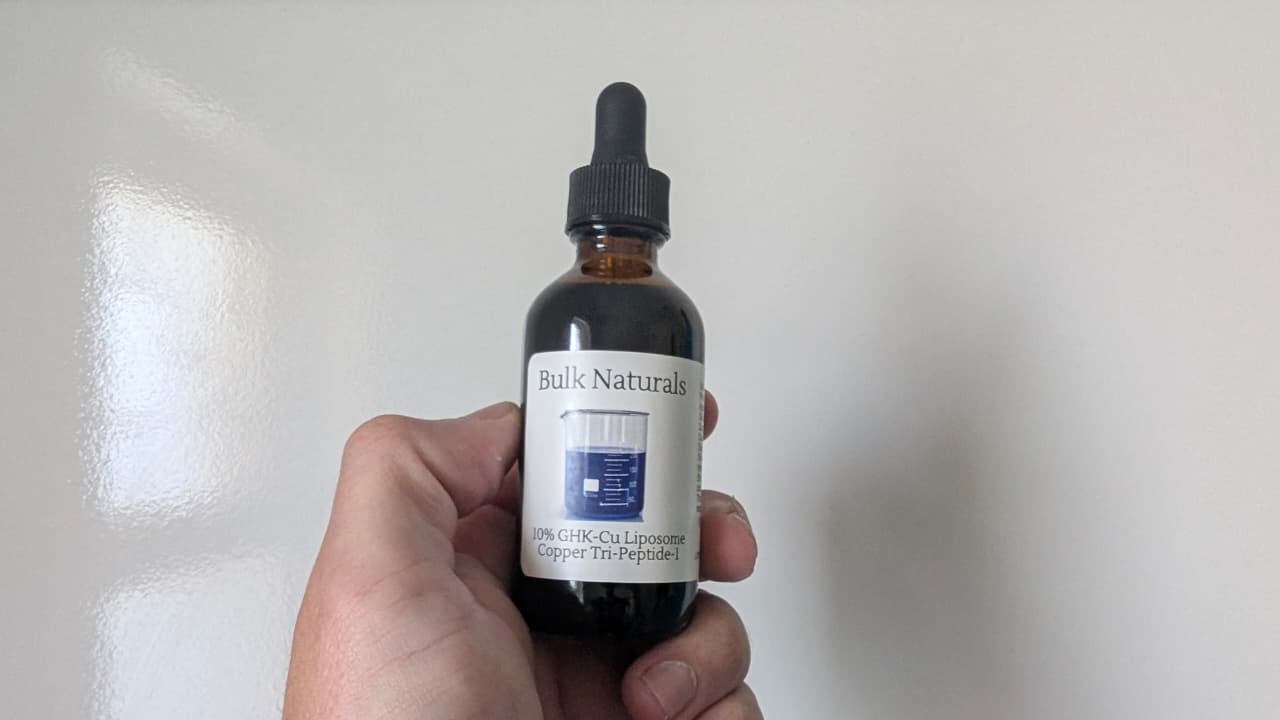
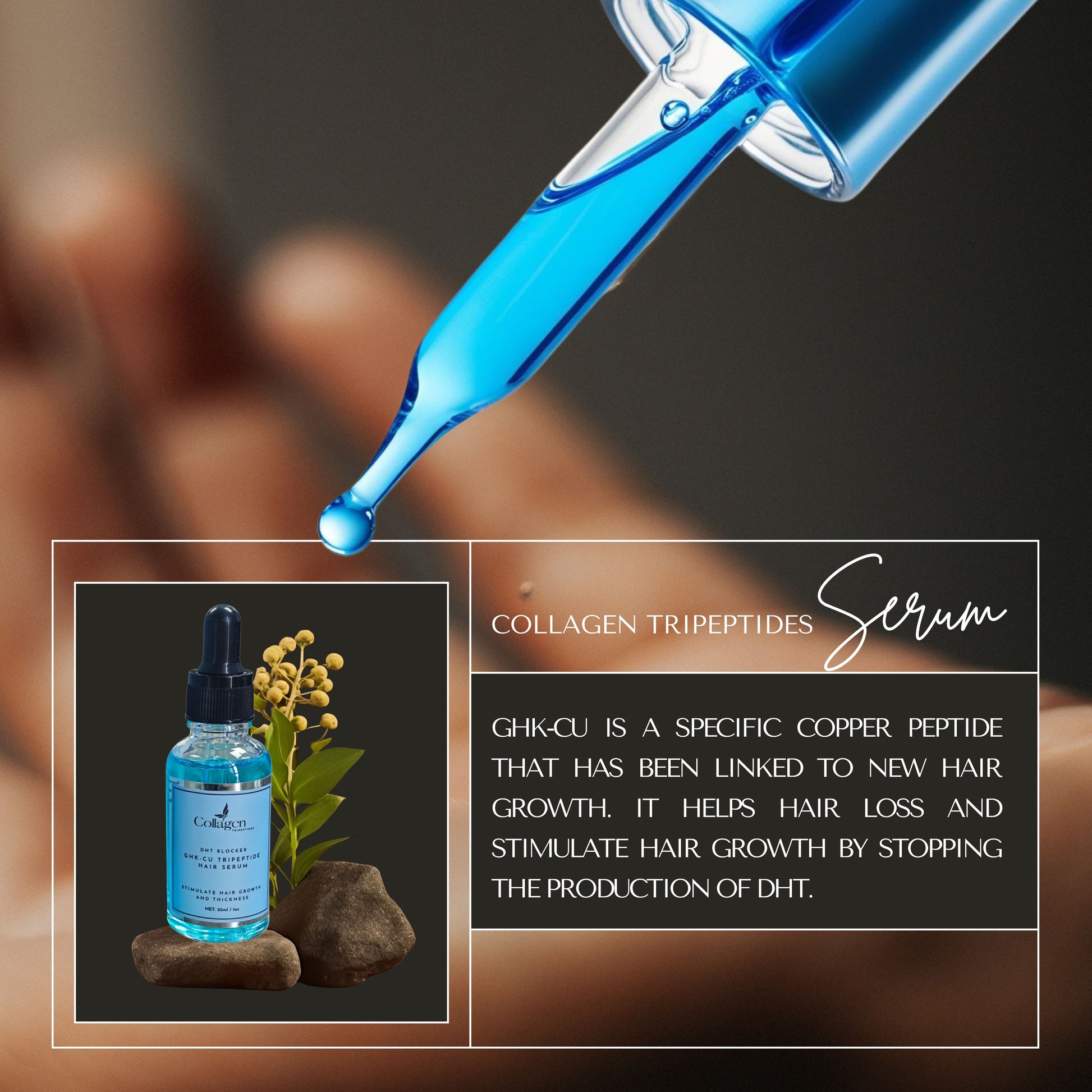
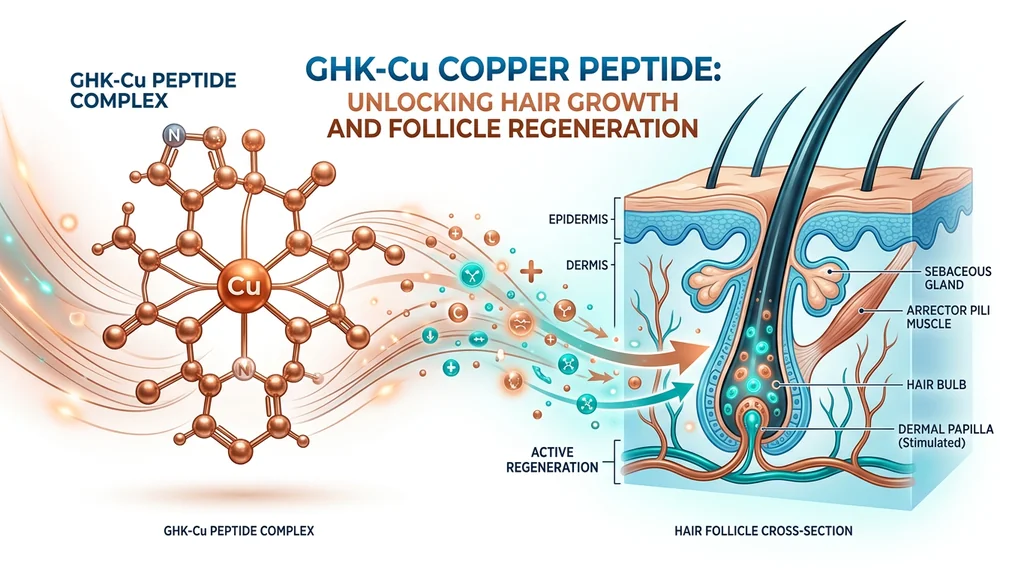
GHK-Cu is often included in both cosmetic and longevity-focused protocols to help support collagen production, elasticity, and skin revitalization from the inside out