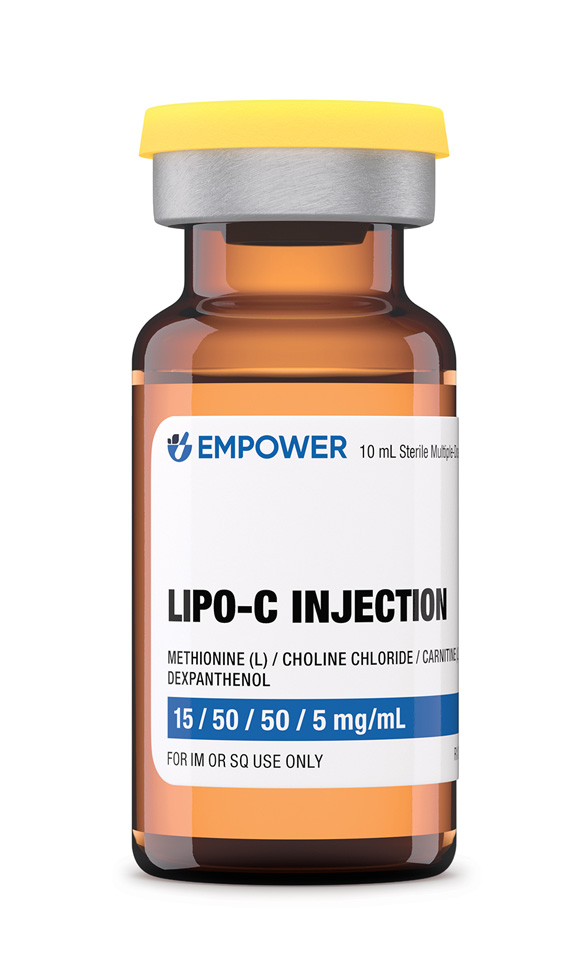
L-Carnitine is mainly made in the brain, liver, and kidneys and plays a role in heart and brain function, along with many other processes, including muscle movement (WebMD)
The evidence supports supervised medical weight management producing better outcomes than independent attempts
Formulation: Tirzepatide 10 mg/mL + Levocarnitine 100 mg/mL Schedule: Weeks 1 to 4: 2.5 mg tirzepatide (25 units) once weekly, delivering 25 mg levocarnitine Weeks 5 to 8: 5 mg tirzepatide (50 units) once weekly, delivering 50 mg levocarnitine Weeks 9 to 12: 7.5 mg tirzepatide (75 units) once weekly, delivering 75 mg levocarnitine Weeks 13+: 10 mg tirzepatide (100 units) once weekly, delivering 100 mg levocarnitine, with potential titration to 12.5 mg or 15 mg based on response and tolerability Supporting measures: Protein intake: 0.7 to 1.0 g per pound of body weight daily Resistance training: 3 to 4 sessions per week minimum Hydration: minimum 64 oz water daily Monitor body composition (not just scale weight) monthly Protocol 2: Enhanced fat oxidation for active researchers Goal: Maximize fatty acid oxidation capacity during concurrent exercise programs

In hemodialysis patients, due to reduced renal clearance, carnitine depletion and acylcarnitine accumulation become significant, resulting in an abnormal increase in the ratio of acylcarnitine to free carnitine in plasma, which in turn inhibits cardiac fatty acid metabolism [261]
How long can I stay on semaglutide for weight management